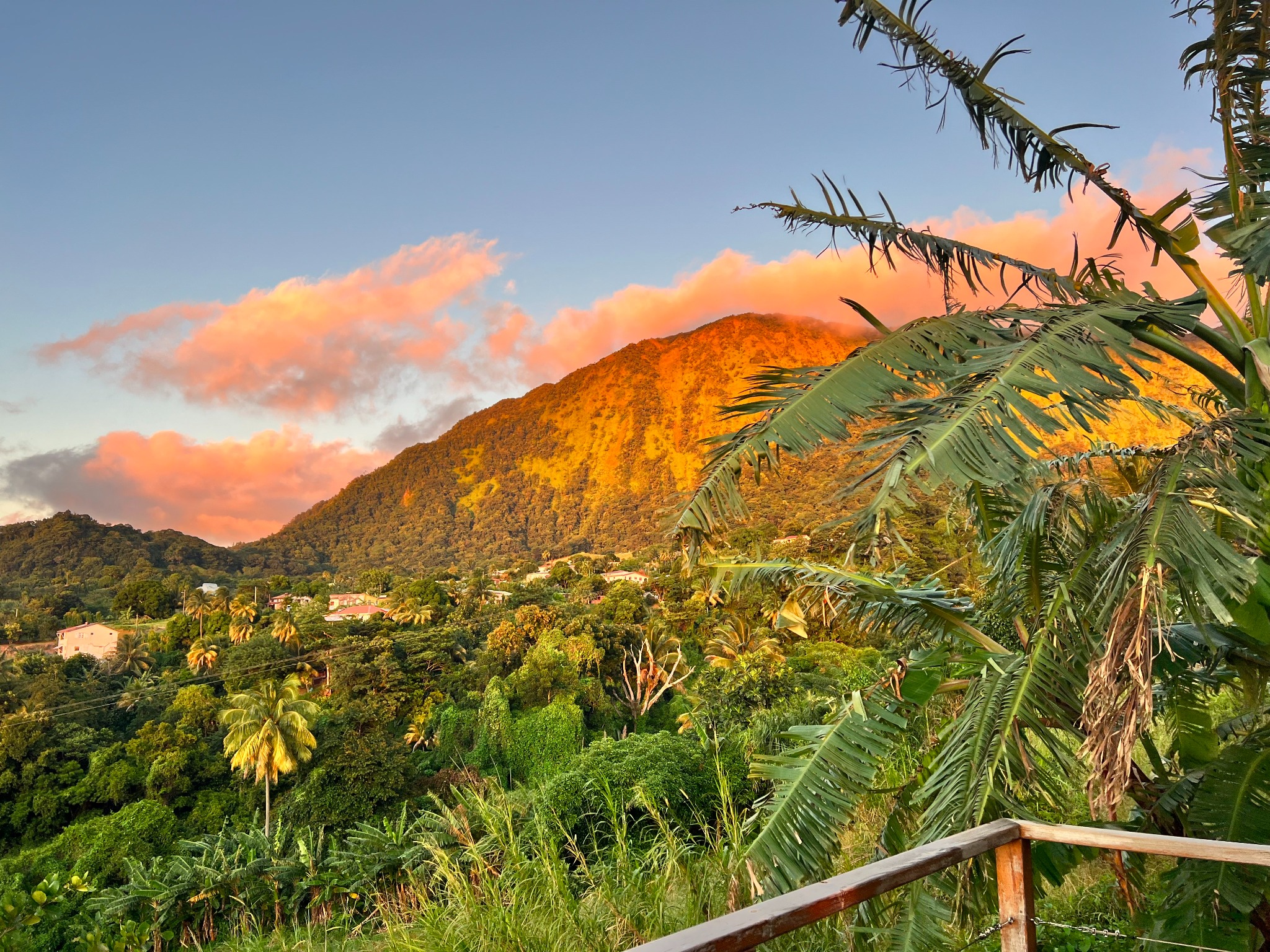
The return of the Caribbean’s “lost city”
Site of the deadliest volcanic disaster of the 20th century, the Martinique town of Saint-Pierre bears the weight of a history impossible to ignore. But it has risen from the ashes and offers a fascinating stop on a tour of the island.
Martinique’s oldest city, Saint-Pierre was once a significant French outpost whose cultural and economic importance earned it the moniker “the Paris of the Caribbean”. A 19th-century visitor would have heard fishermen unloading their catch at the harbour, market sellers shouting prices over piles of tropical fruit and spices, and the crowded streets rumbling with the clatter of horse-drawn trams and the activity of Martinique society, from government officials to children hurrying to school.
But as I wander through Saint-Pierre – quiet now, far from the clamor of its past – its calm feels almost surreal against the knowledge of the catastrophe that had once devastated it.
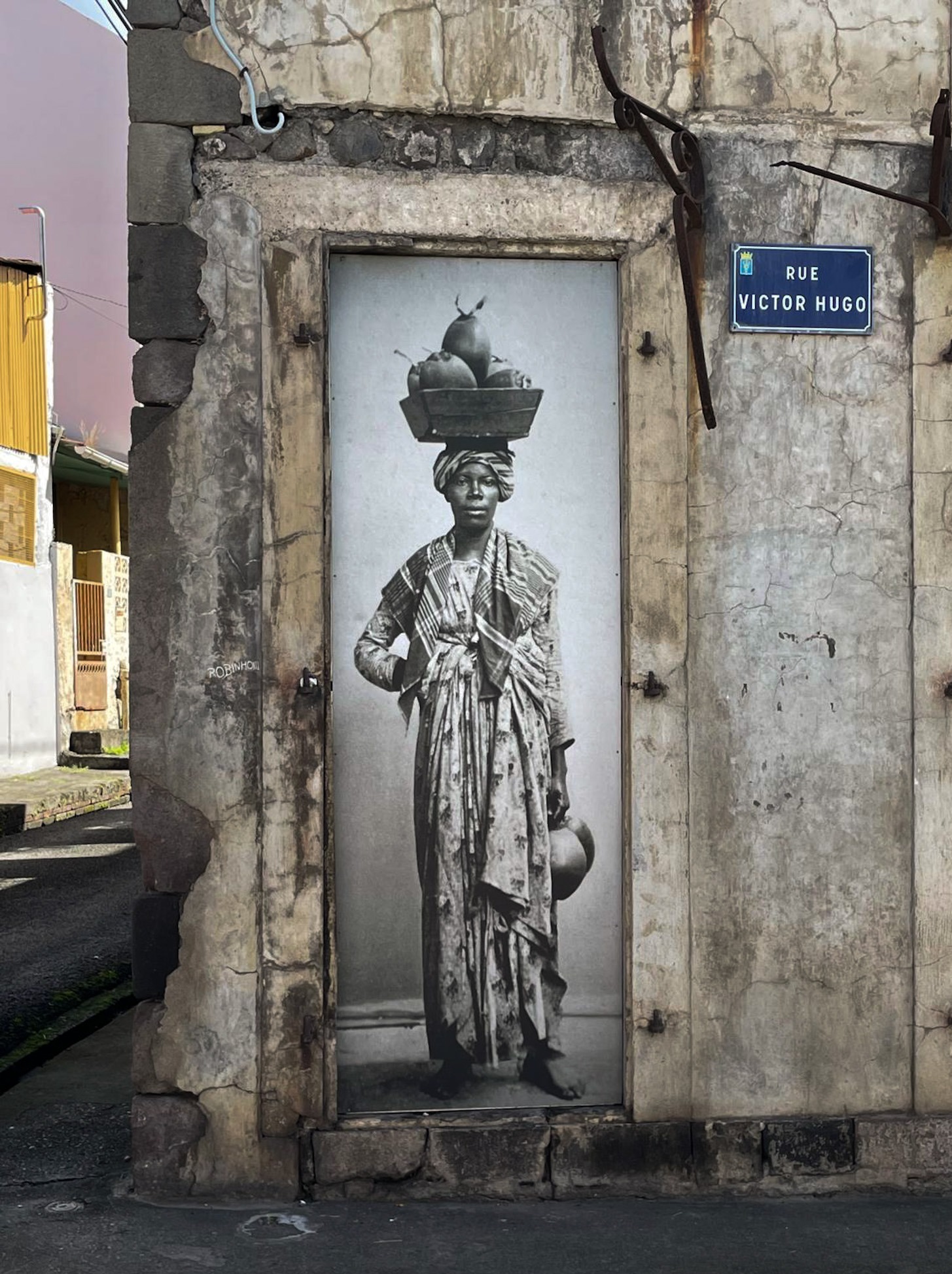
Martinique’s first French settlement was established in Saint-Pierre in 1635. By the 18th century, the town had grown into a commercial capital known for its sugar and rhum production – prosperity built in large part on the exploitation of enslaved people whose suffering shaped the island’s development. But everything changed in an instant. In 1902, the eruption of Mont Pelée altered the course of the city’s history forever.
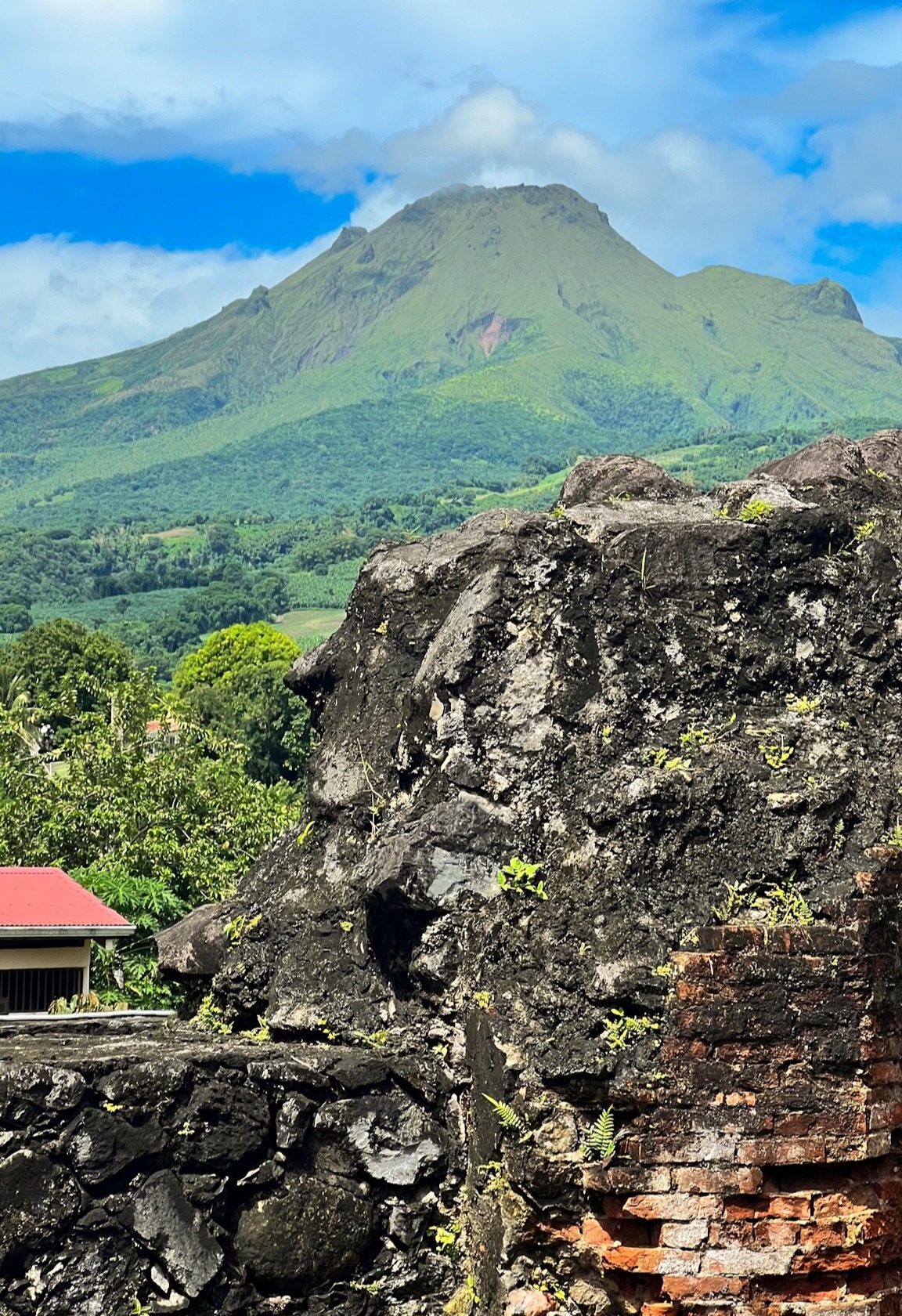
As boisterous election campaigns unfolded across the island, the volcano – long dismissed as a harmless curiosity – roared into life, its warning signs drowned out by political fervour. After weeks of earth tremors, falling ash and the smell of sulphur in the air, Mont Pelée erupted on the morning of 8 May 1902 with an immense explosion. A superheated pyroclastic surge raced down the mountain and struck Saint-Pierre in less than a minute.
An estimated 28,000 people were killed. A once-thriving city was wiped from the map.
Today, just more than 4,000 people live in Saint-Pierre, a stark contrast to its past prominence and to the modern capital, Fort-de-France, which has a population of around 75,000. Yet the town’s return began surprisingly quickly. Marie Hardy-Seguette, chief scientist at the Musée Frank A. Perret – Mémorial de la catastrophe de 1902, explains that people began returning as early as 1908, even while Mont Pelée still showed signs of activity.
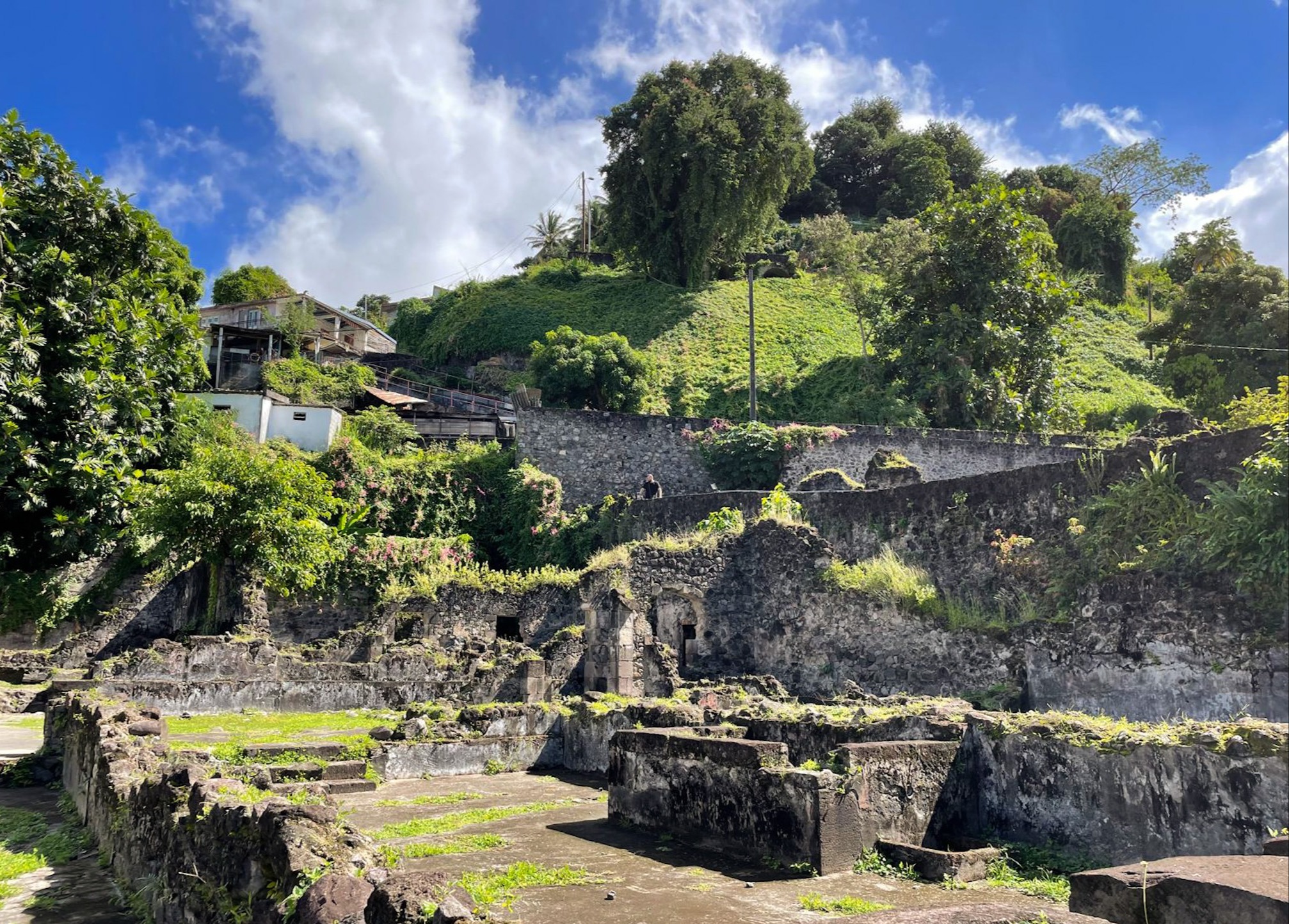
“To prevent fires, royal decrees during the 18th century banned the use of wood and imposed stone masonry,” she says. “Despite the violence of the disaster, many walls and foundations remained intact. New buildings were constructed on the sites of old houses, which served as a base for the design of new homes. Recent architecture blends with the old in an unusual patchwork.”
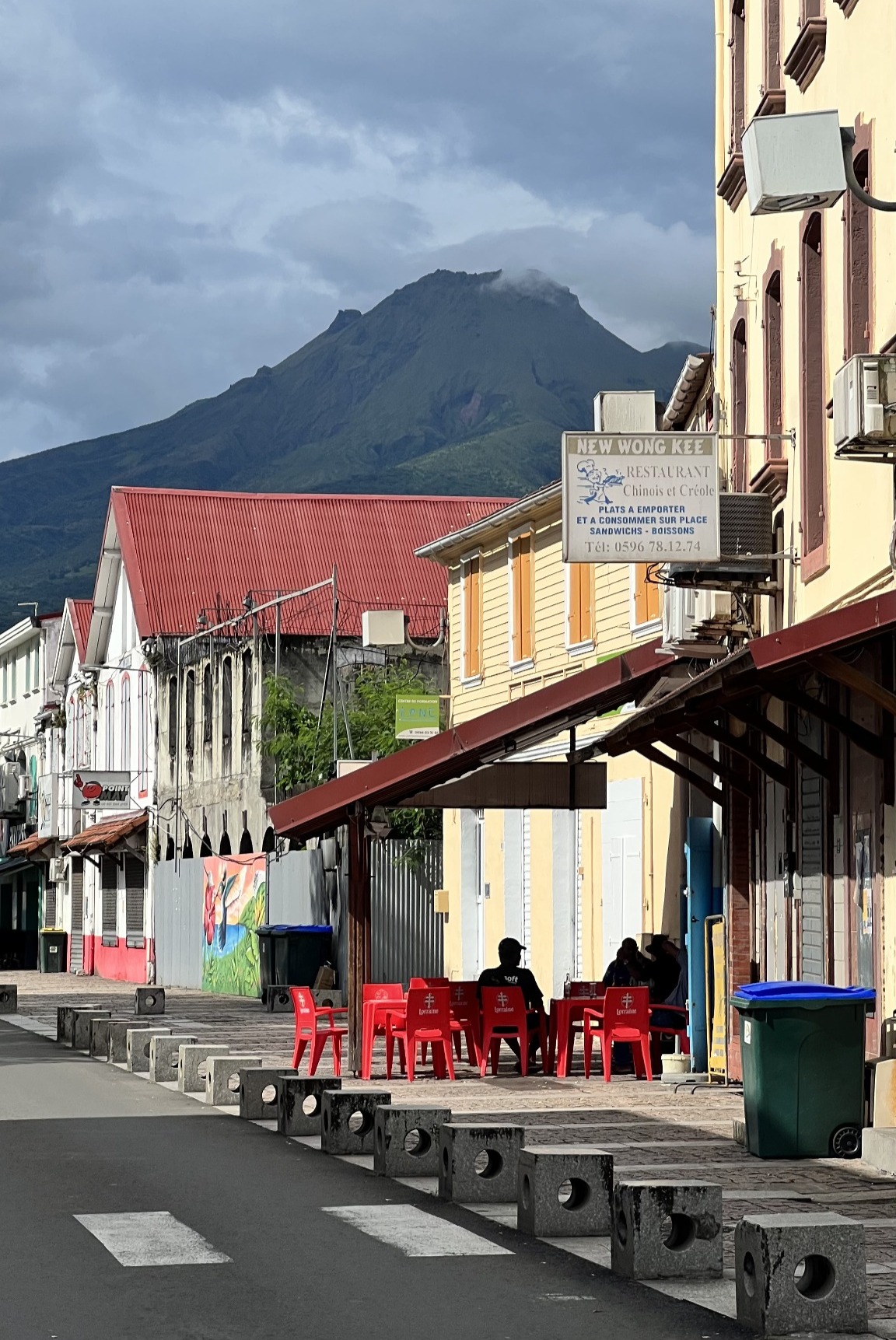
Today, crumbling ruins stand beside colourful residences and businesses typical of contemporary Caribbean architecture. Walking through the town, I am shocked by how easily you can pass from a lively restaurant terrace to the charred remains of someone’s home. The past is not hidden here.
At the museum, that past takes shape in vivid, often haunting detail across 432 artefacts: pocket watches frozen in time, heat-warped glasses, fused masses of cutlery and pottery caked in volcanic debris.
The memorial room is particularly overwhelming. The names of 7,045 victims are listed from floor to ceiling – the rest remain unidentified. At its centre sits the bell from the Saint-Étienne-du-Centre church, warped beyond recognition by the heat of the eruption. Once a symbol of Saint-Pierre’s lively spirit, it now stands as a sombre reminder of the devastation.
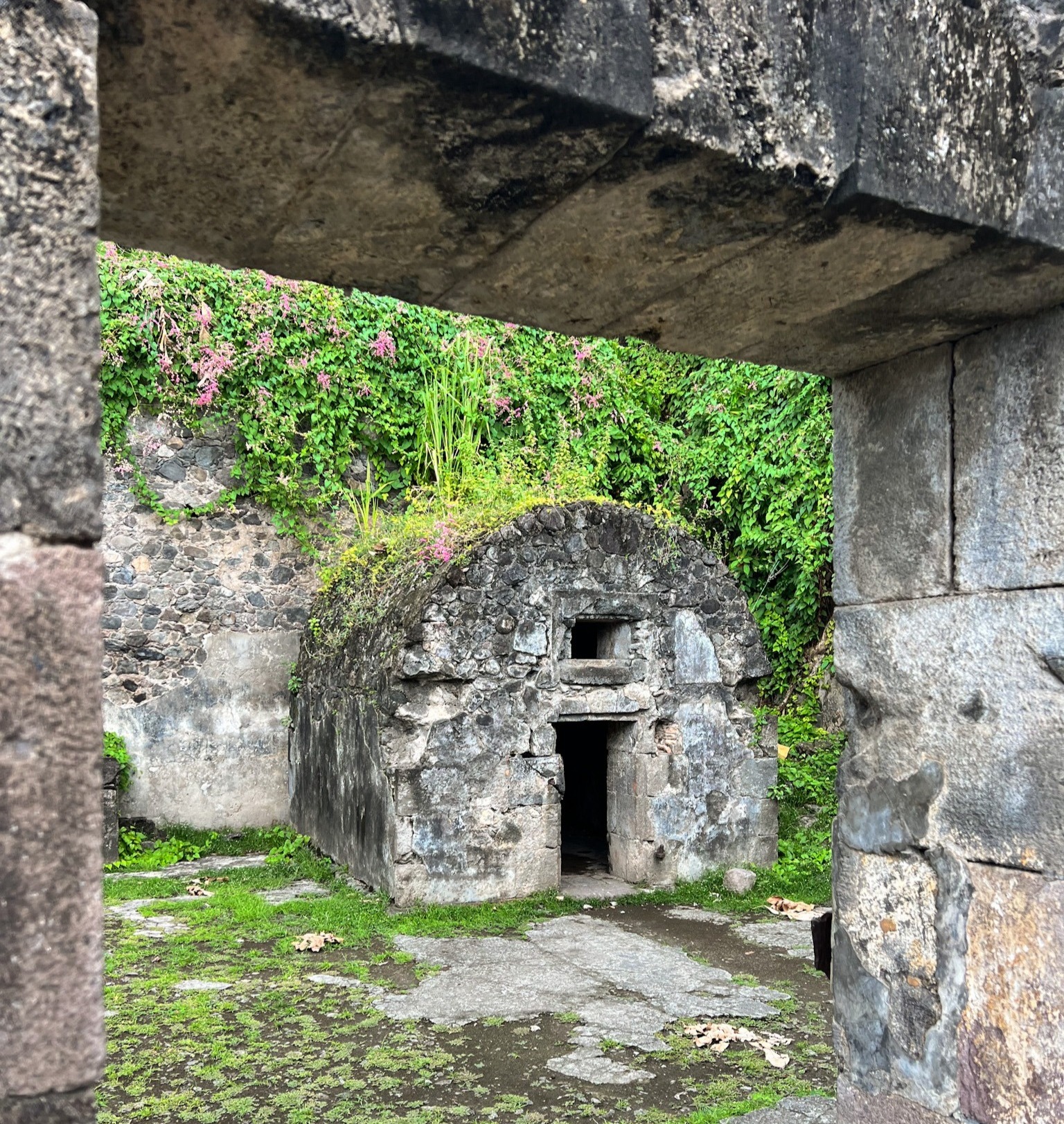
At the suggestion of museum staff, I seek out the Cachot de Cyparis just down the road – a thick stone cell within the city’s former prison that protected one of the disaster’s few known survivors from certain death. Louis Cyparis’ “discovery in a dungeon three days after the disaster makes the man a true miracle,” Hardy-Seguette says.
“No archival documents prove his incarceration, but oral history speaks of a cutlass fight,” she continues. Cyparis is said to have been sentenced to a month in prison – an ironic twist, given that the cell ultimately saved his life.
The story takes an even stranger turn. After surviving the eruption, Cyparis went on to join P. T. Barnum’s circus, touring as “the only living object that survived in the silent city of death”.
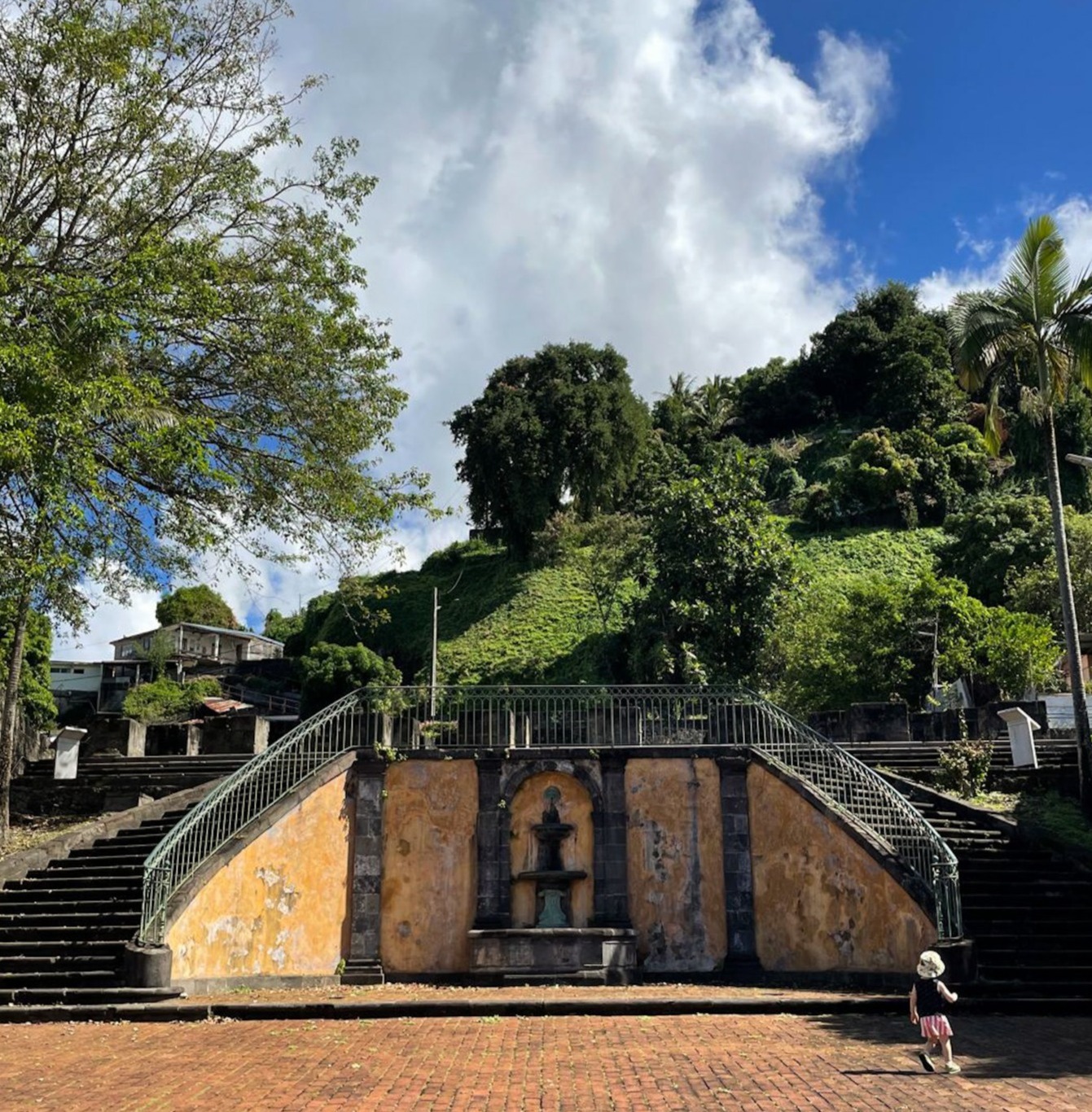
Next door to the former prison are the ruins of the theatre, inspired by the Grand Théâtre de Bordeaux. In its heyday it was one of the most prestigious cultural venues in the Caribbean, hosting operas, plays and concerts for Saint-Pierre’s wealthy residents. Standing among the remaining stone walls today, it’s easy to imagine how grand the place must once have felt.
I climb the broad staircase once swept by the hems of elegant European dresses and the hurried steps of latecomers rushing to their seats. Now the atmosphere is eerily quiet. The orchestra pit sits open to the sky, and grass pushes through cracks in the stone where performers once took their bows.
Yet locals insist there’s more to Saint-Pierre than its history. Ludo, a Martiniquais from the south of the island who often passes through to visit family in the north, describes it as “trying to rise from its ashes.” Walking along the waterfront, I come across a small artisanal pottery market and pick up a few souvenirs. Next door, a board-game-café-meets-art-gallery offers the perfect stop for a cold drink. Pavement cafés and small restaurants now line the harbour, serving the day’s catch. On the drive in, we catch a glimpse of fishermen at a roadside hut cutting up a giant tuna, their quick movements turning the morning’s haul into neat steaks ready for market — the same fish ending up on plates across town. Don’t miss theaccras de morue, crispy cod fritters best enjoyed with a herby splash of sauce chien.
The Depaz distillery is another highlight of the area. Saint-Pierre was once the largest rhum port in the world – rhum with an “h” to signify the French style of the spirit – with Depaz among its most prominent distilleries. Like most businesses, it was destroyed in the eruption, leaving Victor Depaz – then a student in Bordeaux – the sole surviving member of his family.
“Orphaned and ruined, he decided to settle in Canada,” explains Fabrice L. Guitteaud, an ambassador for Depaz rhums. However, “during a stopover in Martinique, his boat broke down and he decided to return to Saint-Pierre.”
That unexpected turn led Depaz to reopen the distillery in 1917, “supplied by the 521 hectares of sugarcane he now owned on the slopes of Mont Pelée”.
“The sun-drenched sugarcane, volcanic soils and extremely pure water contribute to the exceptional taste of Depaz rhums,” Guitteaud continues. “[Mont Pelée’s] nutrient-rich soil gives it a unique character.”
It’s easy to see why Victor Depaz returned. For all its scars, Saint-Pierre remains a place of remarkable beauty. For travellers willing to step beyond Martinique’s beaches, the island’s “lost city” offers a compelling stop on any Caribbean itinerary.
Post a comment